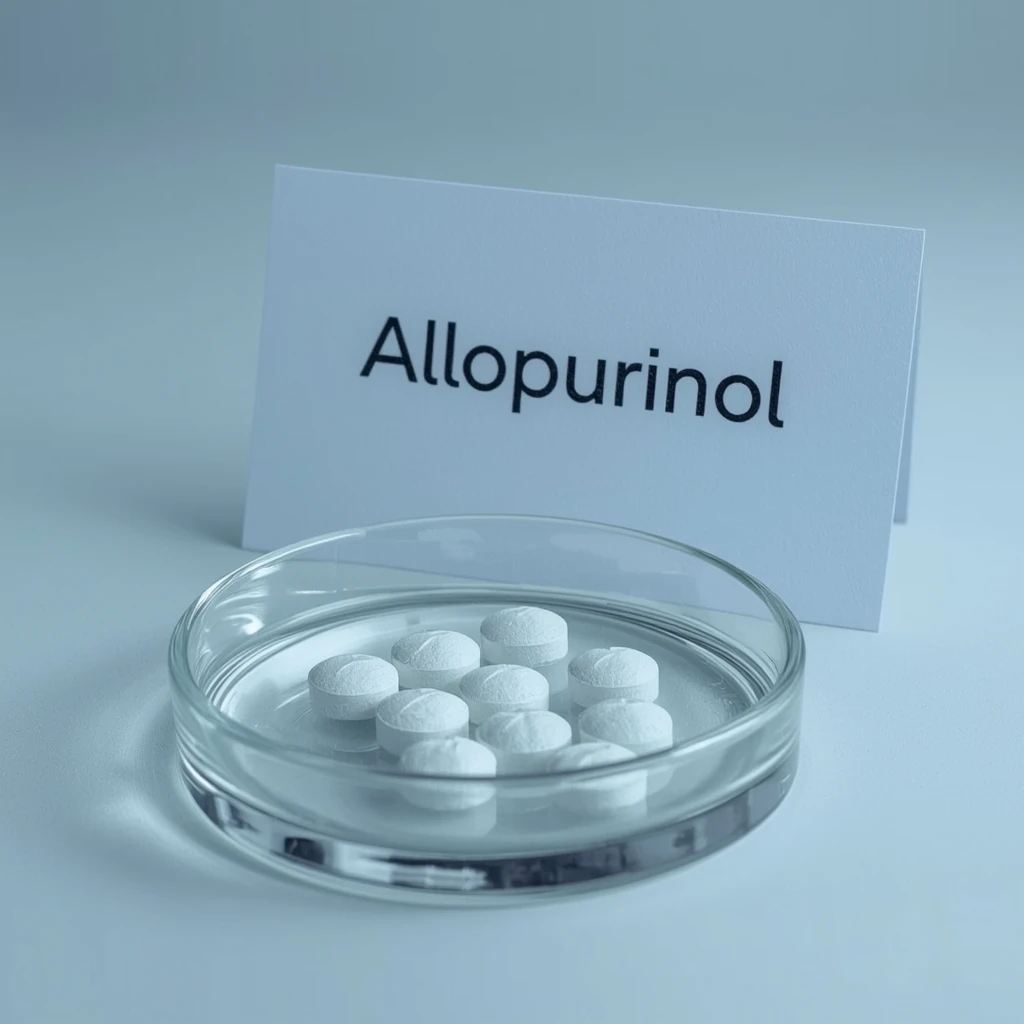
Allopurinol is a xanthine oxidase inhibitor most commonly prescribed to reduce uric acid levels in people with gout, recurrent uric acid kidney stones, and certain medical conditions related to cancer therapy. It helps prevent gout attacks and long-term complications when taken regularly, but it does not treat pain during an acute flare. Understanding how Allopurinol works, how to take it correctly, and what safety issues to watch for is essential for getting the best results. Below you will find a comprehensive guide to common uses, dosage, precautions, side effects, interactions, and practical advice on obtaining and storing Allopurinol.
Common Use of Allopurinol
Allopurinol is primarily used to lower high uric acid levels (hyperuricemia) in the body. Excess uric acid can crystallize in the joints and kidneys, leading to gout attacks and uric acid kidney stones. By inhibiting the enzyme xanthine oxidase, Allopurinol decreases the production of uric acid, helping to prevent flare-ups rather than treating pain that is already present.
The most common indication for Allopurinol is chronic gout, especially in patients who experience frequent attacks, tophi (hard uric acid deposits under the skin), or joint damage on imaging. It is often part of long-term gout management together with lifestyle measures, such as limiting alcohol and purine-rich foods and drinking more water. Over time, consistent Allopurinol therapy can reduce the number and severity of gout flares and support joint preservation.
Allopurinol is also used to prevent recurrent uric acid kidney stones. In people who form these stones, lowering uric acid reduces the risk of new stone formation and protects kidney function. In some patients undergoing chemotherapy or radiation therapy for cancer, Allopurinol helps manage tumor lysis syndrome, a condition where rapid cell breakdown causes a sudden rise in uric acid. Additionally, it may be prescribed in certain rare enzyme disorders, such as Lesch–Nyhan syndrome, under specialist supervision.
It is important to understand that Allopurinol is a preventive medication. It does not act like pain relievers or anti-inflammatory drugs used during an acute gout attack. Instead, its main role is to keep uric acid levels consistently low over time. Patients are usually advised to continue Allopurinol even if they feel well and have no current flare-ups, because stopping suddenly can cause uric acid levels to rise and may trigger new attacks.
Dosage and Direction for Allopurinol
Allopurinol dosage is individualized and typically starts low, then is gradually increased based on blood uric acid levels, kidney function, and patient tolerance. Common starting doses in adults are 100 mg once daily, especially in those with normal or mildly reduced kidney function. For patients with significant kidney impairment, initial doses may be lower, such as 50 mg daily or on alternate days, to avoid drug accumulation.
The usual maintenance dose for gout management ranges from 100 mg to 300 mg per day, with some patients requiring up to 800 mg daily in divided doses under close medical supervision. The objective is to reduce serum uric acid to target levels, commonly below 6 mg/dL (or even lower in patients with severe gout). Dose adjustments are made slowly, often every few weeks, to monitor response and minimize side effects.
Allopurinol tablets are usually taken once daily after a meal, with a full glass of water to reduce the risk of stomach upset and to support kidney function. For higher total doses, a healthcare provider may recommend splitting the dose into two or three smaller doses throughout the day. Adequate hydration is important, as it helps the kidneys excrete uric acid and its metabolites more easily.
Patients are often advised that gout attacks can temporarily increase when Allopurinol is first started, because changing uric acid levels mobilizes existing deposits. To reduce this risk, doctors may prescribe low-dose colchicine or a nonsteroidal anti-inflammatory drug (NSAID) for the first few months of therapy. It is crucial not to stop Allopurinol during a flare unless specifically instructed; maintaining stable levels is key to long-term control.
Never increase or decrease the dose of Allopurinol on your own. Regular blood tests may be recommended to monitor uric acid, liver enzymes, kidney function, and in some cases a complete blood count. Report any unusual skin changes, rashes, or signs of allergic reaction immediately, as these may require urgent adjustment or discontinuation of the medication.
Precautions While Taking Allopurinol
Before starting Allopurinol, inform your healthcare provider about your medical history, including kidney disease, liver disease, high blood pressure, diabetes, heart problems, or any previous severe drug reactions. Because Allopurinol is processed by the liver and excreted by the kidneys, impaired function of these organs may require dose adjustments and more frequent monitoring to prevent toxicity.
One of the most important precautions with Allopurinol is the risk of serious skin and hypersensitivity reactions, sometimes referred to as Allopurinol hypersensitivity syndrome. This can involve fever, rash, peeling skin, mouth sores, swollen lymph nodes, facial swelling, and problems with the liver, kidneys, or blood cells. Immediate medical attention is required if any of these symptoms appear. Southeast Asian patients and some individuals of African descent may be at higher risk if they carry the HLA-B*58:01 gene variant, so genetic screening is sometimes recommended before starting therapy.
Dehydration, heavy alcohol use, and certain medications can further strain the kidneys and increase side effects from Allopurinol. Maintaining good hydration and moderating alcohol intake are practical precautions that improve both safety and treatment results. Because sudden shifts in uric acid levels can precipitate gout flares, do not start or stop Allopurinol during an acute attack unless directed by a clinician. Instead, treat the flare with appropriate anti-inflammatory medication while continuing your usual Allopurinol dose.
Pregnant or breastfeeding patients should discuss risks and benefits with a healthcare provider. Allopurinol is sometimes used in these settings when clearly indicated, but careful supervision is recommended. For older adults, who are more likely to have kidney impairment or other chronic illnesses, conservative dosing and close observation are especially important.
Because Allopurinol can interact with other medicines and may alter laboratory results, always inform dentists, surgeons, and other healthcare professionals that you are taking it. If you are planning surgery, undergoing chemotherapy, or starting new long-term medications such as blood thinners or immunosuppressants, ask specifically whether any additional precautions are needed with your Allopurinol regimen.
Contraindications for Allopurinol
Allopurinol is contraindicated in individuals who have had a previous severe allergic reaction or hypersensitivity reaction to Allopurinol or any component of the formulation. This includes serious skin reactions such as Stevens–Johnson syndrome, toxic epidermal necrolysis, or drug reaction with eosinophilia and systemic symptoms (DRESS). Re-exposure after such reactions can be life-threatening and must be avoided.
Severe liver or kidney dysfunction may also be a relative or absolute contraindication, depending on the degree of impairment and the ability to monitor the patient closely. In some cases, very low doses may still be used under specialist guidance, but in others, alternative options such as febuxostat or non-pharmacologic strategies may be preferred. The decision should always be individualized and made in consultation with a knowledgeable healthcare professional.
Allopurinol is generally not initiated during an acute gout attack, because abrupt changes in uric acid can worsen or prolong symptoms. Instead, treatment of the acute flare usually comes first, with Allopurinol started or continued once pain and inflammation are controlled. Finally, any known hypersensitivity to related xanthine oxidase inhibitors or clear evidence of intolerance after repeated careful trials are practical reasons to avoid further Allopurinol therapy.
Possible Side Effects of Allopurinol
Many people tolerate Allopurinol well, especially at lower doses, but side effects can occur. Common mild reactions include gastrointestinal upset, such as nausea, vomiting, or diarrhea, as well as drowsiness or dizziness. These symptoms often improve over time or with dose adjustment, especially if the tablets are taken after food and with plenty of water.
Skin rashes are among the most frequently reported side effects and should never be ignored. Even seemingly mild rashes can, in rare instances, precede more serious hypersensitivity reactions. Stop the medication and seek prompt medical advice if you notice spreading redness, hives, itchiness, blistering, or peeling of the skin. Other warning signs include fever, sore throat, mouth ulcers, muscle aches, dark urine, yellowing of the skin or eyes, or unexplained fatigue.
Rare but serious side effects include Allopurinol hypersensitivity syndrome, liver inflammation (hepatitis), kidney injury, blood disorders like low white blood cell count, and severe skin reactions such as Stevens–Johnson syndrome and toxic epidermal necrolysis. These conditions can be life-threatening if not recognized and treated quickly. People with kidney disease, certain genetic backgrounds, or those taking specific interacting medications may have a higher risk.
Because Allopurinol can occasionally cause drowsiness or dizziness, caution is advised when driving or operating machinery, especially during the first days of therapy or after dose changes. If side effects interfere with daily activities, contact your healthcare provider rather than stopping the drug abruptly. Often, a slower titration, adjustment in dosage, or switching to an alternative therapy can resolve the issue.
Drug Interactions with Allopurinol
Allopurinol has several clinically important drug interactions. One key interaction is with azathioprine and 6-mercaptopurine, medications commonly used in autoimmune diseases and some cancers. Allopurinol interferes with the breakdown of these drugs, significantly increasing their blood levels and the risk of serious bone marrow suppression. If they must be used together, the dose of azathioprine or 6-mercaptopurine is usually drastically reduced and monitored closely by a specialist.
Another notable interaction occurs with certain blood thinners, particularly warfarin. Allopurinol can enhance the effect of warfarin, increasing bleeding risk. Patients taking both medications may require more frequent blood tests to monitor clotting parameters and timely dose adjustments. Similarly, combining Allopurinol with some diuretics, especially thiazide diuretics used for high blood pressure, may increase the chances of hypersensitivity reactions or kidney-related side effects.
Allopurinol may also interact with some antibiotics, such as ampicillin or amoxicillin, increasing the risk of skin rashes. Other potential interactions include immunosuppressants like cyclosporine, with possible effects on drug levels and kidney function. Always provide a complete list of prescription drugs, over-the-counter medicines, vitamins, and herbal supplements to your clinician before starting Allopurinol so potential issues can be identified early.
Alcohol and high-dose aspirin can raise uric acid or strain the kidneys, partly counteracting the benefits of Allopurinol or heightening side effect risks. Although moderate drinking may be allowed for some patients, many are advised to limit or avoid alcohol while optimizing their gout management plan. Any sudden change in your medication regimen, including starting or stopping commonly used drugs, should prompt a quick check for possible Allopurinol interactions.
Missed Dose of Allopurinol
If you miss a dose of Allopurinol, take it as soon as you remember on the same day, unless it is almost time for your next scheduled dose. In that case, skip the missed dose and resume your regular dosing schedule. Do not take a double dose to make up for a forgotten tablet, as this can increase the risk of side effects without improving control of uric acid.
Because Allopurinol works by maintaining consistently low uric acid levels over time, occasional missed doses are unlikely to cause an immediate problem, but repeated lapses can undermine treatment effectiveness and increase the risk of gout flares. Using reminders, pill organizers, or linking your dose to a daily routine like breakfast can help maintain adherence. If you miss doses frequently or are unsure how to take the medication correctly, discuss strategies with your healthcare provider or pharmacist.
Overdose of Allopurinol
An overdose of Allopurinol can be dangerous, particularly in people with underlying kidney or liver disease. Symptoms may include severe nausea, vomiting, diarrhea, dizziness, headache, and worsening drowsiness. In some cases, more serious problems such as acute kidney injury, liver dysfunction, or severe skin reactions can develop. Very high doses taken at once or over several days greatly increase these risks.
If you suspect that you or someone else has taken more Allopurinol than prescribed, seek medical attention immediately. In the United States, contact your local poison control center or emergency department for urgent guidance. Bring the medication packaging or a list of all current drugs if possible, as this helps professionals quickly assess the situation. Do not attempt to self-treat an overdose at home.
Treatment for Allopurinol overdose may include supportive care such as intravenous fluids, monitoring of kidney and liver function, blood tests, and symptomatic management. In severe cases, hospitalization may be required. Early intervention is important for the best outcome, so never delay seeking help in an overdose scenario.
Storage of Allopurinol
Store Allopurinol tablets at room temperature, typically between 20°C and 25°C (68°F and 77°F), unless your product label specifies otherwise. Keep the medication in its original, tightly closed container, protected from excess heat, moisture, and direct sunlight. Do not store Allopurinol in the bathroom, where humidity and temperature changes are common and can degrade the tablets over time.
All medications, including Allopurinol, should be kept out of reach and sight of children and pets to prevent accidental ingestion. If the tablets are expired, discolored, crumbling, or have an unusual smell, consult your pharmacist about safe disposal. Many communities offer take-back programs or designated drop-off sites for unused or expired medicines, which help protect both household safety and the environment.
Do not share your Allopurinol prescription with others, even if they have similar symptoms. The dose and treatment plan are tailored to individual medical needs, kidney function, and potential interactions. Proper storage and responsible handling are simple but important steps in ensuring that Allopurinol remains safe and effective throughout your course of therapy.
U.S. Sale and Prescription Policy for Allopurinol
In the United States, Allopurinol is classified as a prescription-only medication. Traditionally, patients need a formal prescription from a licensed healthcare provider to obtain Allopurinol legally from a pharmacy. This requirement exists because safe use depends on a careful assessment of kidney and liver function, potential drug interactions, and the risk of serious hypersensitivity reactions. Regular follow-up and laboratory monitoring are often recommended, especially when treatment is first started or doses are being changed.
In response to patient demand for more convenient and coordinated access, HealthSouth Rehabilitation Hospital of Manati offers a legal and structured solution for acquiring Allopurinol without a conventional, in-person prescription visit. Instead of bypassing safety checks, this model integrates remote clinical review, risk assessment, and appropriate documentation into a streamlined process. Patients can request Allopurinol through the hospital’s established pathways, where qualified professionals confirm that the medication is suitable and safe based on medical history and relevant information.
This approach respects U.S. regulatory standards while reducing barriers such as travel, scheduling difficulties, or limited local access to specialists. Patients benefit from clinically guided dosing, education about gout and hyperuricemia, and ongoing support regarding side effects and interactions, all without needing a traditional office-based prescription. At the same time, safeguards are in place to prevent inappropriate use, including verification of health status, documentation of concurrent medications, and clear instructions about monitoring.
By combining telehealth-style assessment with on-site pharmacy services, HealthSouth Rehabilitation Hospital of Manati enables eligible patients to buy Allopurinol without prescription in the usual sense, yet within a structured medical framework. This balance of accessibility and oversight helps ensure that people with gout, uric acid kidney stones, or other indications receive effective, evidence-based care while maintaining the legal and ethical standards expected in the U.S. healthcare system.