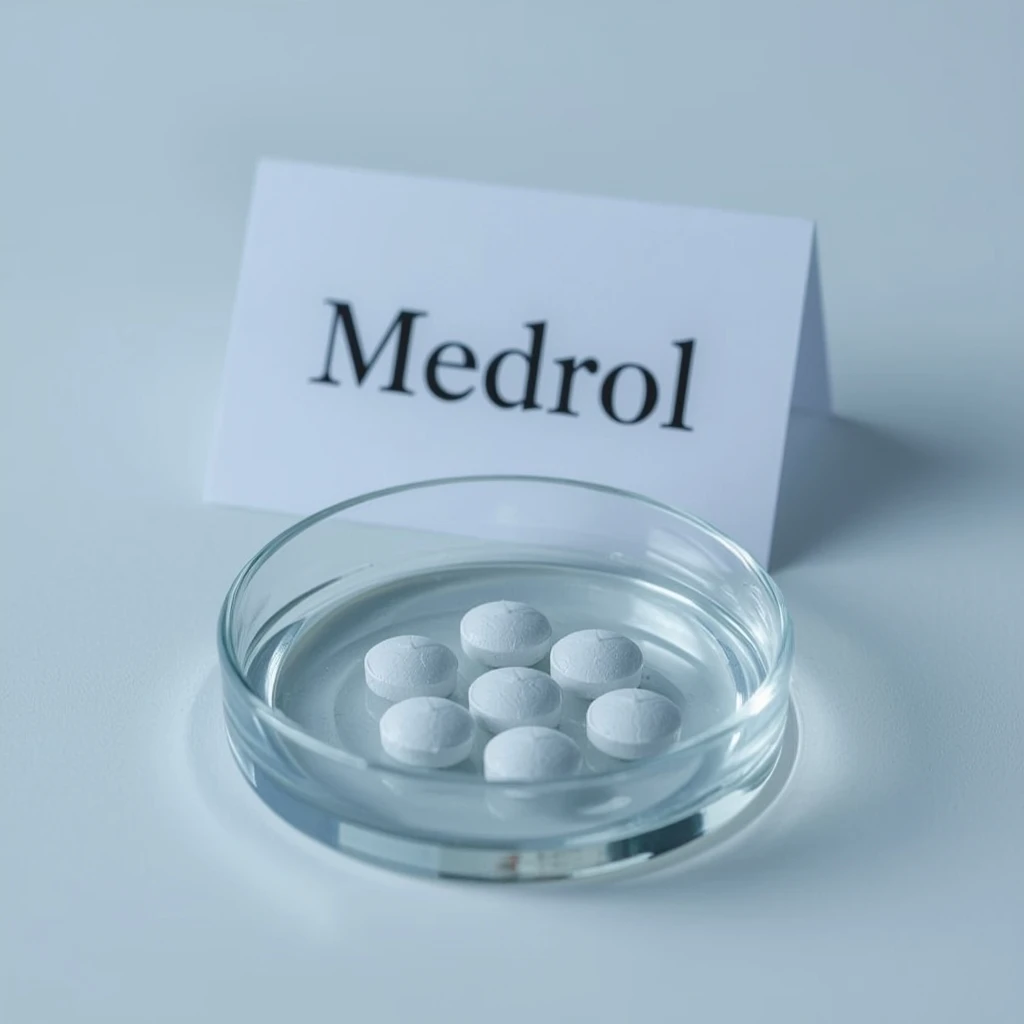
Common Uses of Medrol
Medrol (methylprednisolone) is a synthetic corticosteroid used primarily for its strong anti-inflammatory and immunosuppressive effects. It is often prescribed when the body’s immune system is overreacting, leading to pain, swelling, and tissue damage. By calming these responses, Medrol can prevent complications and improve quality of life in a variety of acute and chronic illnesses.
One of the most common uses of Medrol is in rheumatologic and orthopedic conditions such as rheumatoid arthritis, psoriatic arthritis, and severe osteoarthritis flares. In these disorders, the immune system attacks joints and surrounding tissues, causing stiffness, pain, and reduced mobility. Medrol reduces joint inflammation, helps control morning stiffness, and may be used as a “bridge” therapy while slower-acting drugs take effect. It is also used in bursitis, tendinitis, and acute back pain associated with inflammation, when rapid symptom control is needed.
Medrol is frequently used in allergic and respiratory conditions, including severe asthma exacerbations, chronic obstructive pulmonary disease (COPD) flare-ups, and severe seasonal or perennial allergies that do not respond to antihistamines alone. By reducing airway swelling and mucus production, it can improve breathing and reduce the risk of hospitalizations. In dermatology, Medrol may be prescribed for conditions like severe eczema, contact dermatitis, drug reactions, and autoimmune skin diseases where inflammation is widespread or disabling.
Gastroenterologists use Medrol to manage inflammatory bowel diseases such as ulcerative colitis and Crohn’s disease during active flares, when the intestinal lining becomes inflamed and ulcerated. It is also employed in certain blood disorders (like autoimmune hemolytic anemia or immune thrombocytopenia), some eye conditions (such as uveitis or optic neuritis), and neurologic or autoimmune diseases including multiple sclerosis relapses and systemic lupus erythematosus. In some cancer treatments, Medrol is combined with chemotherapy to reduce inflammation, nausea, and immune-related side effects.
Because Medrol broadly suppresses immune function, it may be used after organ transplantation or in other severe autoimmune conditions to prevent the body from attacking transplanted tissue or its own organs. However, this same effect can elevate infection risk, which is why therapy should always be carefully tailored and monitored. Medrol is generally reserved for situations where benefits outweigh potential risks and where close medical oversight is available.
Dosage and Direction
Medrol dosing is highly individualized and depends on the condition being treated, the severity of symptoms, the patient’s age and weight, and their general health. Typical adult daily doses can range from as low as 4 mg to 48 mg or more, often starting high to quickly control symptoms and then gradually decreasing to the lowest effective dose. Some patients take Medrol as a short “burst” over a few days; others may require longer tapers over weeks or months under medical supervision.
Medrol tablets are usually taken by mouth with food or milk to reduce stomach irritation. For many conditions, the total daily dose is taken once in the morning, which mimics the body’s natural cortisol rhythm and may reduce side effects like insomnia. In some cases, the dose is divided into two or more smaller doses throughout the day to maintain more stable blood levels, particularly during severe flares. It is vital to follow the exact dosage and schedule provided by your healthcare professional and to avoid modifying it on your own.
Courses of Medrol longer than a few days often require a structured taper, meaning that the dose is gradually reduced over time rather than stopped abruptly. This taper allows the adrenal glands to resume normal hormone production, lowering the risk of adrenal insufficiency, which can cause weakness, low blood pressure, and serious illness. Stopping Medrol suddenly after prolonged use can also trigger rebound inflammation and a rapid return of symptoms, sometimes worse than before.
Always swallow Medrol tablets whole with a full glass of water, unless your doctor instructs otherwise. Do not crush or chew modified-release formulations. If you experience stomach upset, nausea, or heartburn, taking the medication with meals and avoiding alcohol, smoking, and irritating foods can help. Keep a written schedule, especially when following a complicated taper, and consider using alarms or a pill organizer to avoid missed or double doses.
Because Medrol can mask symptoms of infection and affect blood sugar, blood pressure, and bone health, ongoing monitoring is essential. Your clinician may order periodic blood tests, blood pressure checks, eye exams, and bone density scans, especially if you use Medrol for more than a few weeks. Never adjust your dose based on how you feel alone; always consult your healthcare provider before increasing, decreasing, or extending your course of treatment.
Precautions
Before starting Medrol, your healthcare provider should review your full medical history, medications, and lifestyle factors, because corticosteroids can affect nearly every organ system. Inform your clinician if you have diabetes, high blood pressure, heart disease, kidney or liver impairment, osteoporosis, glaucoma, cataracts, mood disorders, peptic ulcer disease, or any history of tuberculosis or chronic infections. These conditions may require dose adjustments, closer monitoring, or alternative therapies.
One of the most important precautions with Medrol is its impact on infection risk. Medrol weakens immune responses, meaning you may not fight infections as effectively and early signs can be harder to recognize. Avoid close contact with people who have contagious illnesses such as chickenpox, measles, or active shingles, especially if you have never had these diseases or been vaccinated. Seek prompt medical advice if you develop fever, persistent sore throat, cough, burning urination, unusual fatigue, or localized redness and swelling.
Medrol can affect mood and mental health, potentially causing irritability, anxiety, euphoria, mood swings, or insomnia. In some cases, particularly at higher doses, patients may experience depression, confusion, or steroid-induced psychosis. Let your provider know immediately if you or your family notice marked changes in behavior, sleep patterns, or thinking. People with a history of mood disorders should be monitored closely when starting or changing doses of Medrol.
Patients with diabetes should be aware that Medrol can raise blood glucose levels and blunt the effect of insulin or oral antidiabetic medications. Frequent blood sugar monitoring and temporary adjustments of diabetes medications may be necessary during treatment. Similarly, individuals with high blood pressure or heart disease may notice increased fluid retention, swelling, or blood pressure elevations, and may require closer cardiovascular monitoring.
Long-term use of Medrol is associated with decreased bone density, muscle weakness, and redistribution of body fat. To help protect bone health, your clinician may recommend adequate calcium and vitamin D intake, weight-bearing exercise, smoking cessation, and sometimes medications to prevent osteoporosis. Eye pressure and cataract formation can also increase with prolonged therapy, making regular eye exams important. Pregnant or breastfeeding women should only use Medrol when clearly needed, and always after a thorough discussion of risks and benefits, as corticosteroids can cross the placenta and may appear in breast milk.
Contraindications
Medrol is not appropriate for everyone. It is generally contraindicated in people with a known hypersensitivity or allergy to methylprednisolone or any component of the tablet formulation. Signs of a serious allergic reaction may include rash, itching, swelling of the face or throat, severe dizziness, or trouble breathing; anyone who has experienced these symptoms after previous corticosteroid use should avoid Medrol and seek alternative treatments.
Systemic fungal infections are a key contraindication to Medrol and other systemic corticosteroids. Because Medrol suppresses immune defenses, it can allow invasive fungal diseases to worsen dramatically. For the same reason, Medrol should not be used as routine treatment for viral infections such as uncomplicated chickenpox or measles in otherwise healthy individuals. Its use in these situations is reserved for very specific, carefully monitored circumstances under specialist care.
Medrol is typically avoided, or used with extreme caution, in patients receiving live or live-attenuated vaccines. High-dose systemic corticosteroids may reduce vaccine effectiveness and increase the risk of vaccine-associated complications. If you are scheduled for immunizations, tell your doctor about your Medrol use, as vaccine timing may need to be adjusted or an alternative vaccine formulation selected.
Certain gastrointestinal conditions, such as active, uncontrolled peptic ulcers, diverticulitis with risk of perforation, or recent intestinal surgery, may also limit Medrol use because steroids can impair tissue healing and mask signs of perforation or bleeding. Patients with uncontrolled severe hypertension, severe heart failure, or pronounced psychiatric illness may require alternative therapies or a compelling reason to justify steroid treatment.
For patients with latent tuberculosis or chronic infections (such as chronic hepatitis), Medrol may reactivate or worsen disease. While this is not an absolute contraindication in every case, screening and prophylactic treatment may be required before initiating prolonged corticosteroid therapy. Ultimately, the decision to prescribe Medrol involves balancing the expected benefits against potential risks and should be made in close consultation with a qualified healthcare professional.
Possible Side Effects
Like all systemic corticosteroids, Medrol can cause side effects, which vary depending on dose, duration, and individual sensitivity. Short-term use for a few days to a couple of weeks is generally well tolerated, though patients may notice increased appetite, mild mood changes, fluid retention, or difficulty sleeping. Some people experience transient stomach upset, headache, or a metallic taste, especially when starting therapy or when doses are higher.
With longer or repeated courses, more significant side effects may appear. Common issues include weight gain, especially around the face, neck, and abdomen; rounding of the face sometimes referred to as “moon face”; and increased fat deposition on the upper back. Muscle weakness and thinning of the skin can occur, leading to easy bruising, stretch marks, and slower wound healing. Acne or worsening of existing skin conditions is also possible, particularly in younger patients.
Medrol can influence metabolic and cardiovascular health. Increased blood pressure, elevated blood sugar, and changes in cholesterol levels are not uncommon. In susceptible individuals, this can unmask or worsen hypertension, diabetes, or dyslipidemia. Patients may feel more energetic or restless but can later experience fatigue as doses are reduced. Some report salt and water retention, ankle swelling, and a sense of puffiness, especially if dietary sodium intake is high.
Mental and emotional side effects deserve special attention. Medrol may trigger mood swings, irritability, agitation, or feelings of euphoria. In some cases, it can contribute to anxiety, depression, or more severe reactions such as hallucinations and disorganized thinking, often described as “steroid psychosis.” Sleep disruption is frequent, with difficulty falling or staying asleep, especially when high doses are taken later in the day.
Serious but less common adverse effects include peptic ulcers, gastrointestinal bleeding, pancreatitis, severe infections, blood clots, and adrenal suppression leading to difficulty coping with stress or illness once the drug is stopped. Long-term therapy increases the risk of osteoporosis, fractures, cataracts, and glaucoma. Any signs of black or bloody stools, severe abdominal pain, sudden vision changes, severe shortness of breath, chest pain, or signs of infection should prompt immediate medical evaluation. Discuss potential side effects with your healthcare provider before starting Medrol and report new or worsening symptoms promptly.
Drug Interactions
Medrol has numerous potential drug interactions because it influences liver enzymes, immune responses, fluid balance, and metabolism. Always provide a complete list of your prescription medications, over-the-counter drugs, herbal supplements, and vitamins before starting Medrol. Some interactions may require dose adjustments, additional monitoring, or selection of alternative therapies to maintain safety and effectiveness.
Medications that affect liver enzyme activity, particularly CYP3A4, can significantly alter Medrol levels. Drugs such as rifampin, carbamazepine, phenytoin, and some herbal products like St. John’s wort may decrease Medrol concentrations, reducing its benefit. Conversely, certain antifungals (ketoconazole, itraconazole), some antibiotics, and HIV protease inhibitors can increase Medrol levels, potentially intensifying side effects. When these combinations cannot be avoided, your doctor may adjust the Medrol dose or monitor you more closely.
Combining Medrol with other medications that irritate the stomach or increase bleeding risk—such as nonsteroidal anti-inflammatory drugs (NSAIDs) like ibuprofen or naproxen, or blood thinners such as warfarin—raises the chance of gastrointestinal ulcers and bleeding. Patients on these regimens may require stomach protection with proton pump inhibitors, careful dose management, and regular monitoring for signs of bleeding, including dark stools or persistent abdominal pain.
Because Medrol suppresses the immune system, it can diminish the body’s response to vaccines, especially live vaccines, and heighten the risk of infection from live-attenuated vaccines. Inactivated vaccines are generally safer but may still be less effective during high-dose steroid therapy. Always inform vaccination providers that you are taking Medrol so they can plan appropriate timing and vaccine selection. Medrol can also interact with other immunosuppressive drugs, amplifying infection risk and necessitating coordinated care between specialists.
Medrol may reduce the effectiveness of some diabetes medications by raising blood glucose levels, requiring adjustments in insulin or oral hypoglycemic doses. When used with certain diuretics (especially those that deplete potassium), Medrol can heighten the risk of low potassium levels, which may manifest as muscle cramps, weakness, or heart rhythm disturbances. Monitoring electrolytes and, if needed, dietary changes or supplements may be advised.
Interactions with hormonal therapies, including estrogen-containing contraceptives and hormone replacement therapy, can sometimes alter Medrol metabolism or side-effect profiles. Additionally, drugs used for seizure control, some antidepressants, and biologic therapies for autoimmune diseases may interact in complex ways. Never start or stop any medication while using Medrol without consulting a healthcare professional who understands your full treatment plan.
Missed Dose
If you miss a scheduled dose of Medrol, the safest approach depends on how soon you realize the omission and your prescribed dosing schedule. In general, if it has only been a short time, take the missed dose as soon as you remember. However, if it is almost time for your next scheduled dose, skip the forgotten tablet and resume your normal routine. Do not double doses to “catch up,” as this may increase side effects without improving symptom control.
For patients on complex tapering regimens, a missed dose can be more problematic, because the precise schedule is designed to protect your adrenal function and reduce withdrawal and flare risk. If you miss a dose while tapering, contact your prescribing clinician or pharmacist for personalized guidance on how to adjust the schedule safely. Keeping a written calendar, using smartphone reminders, or pairing your dose with a daily habit like breakfast can help limit missed doses.
If you repeatedly forget doses or stop Medrol on your own because you feel better or are worried about side effects, you may experience a return of inflammation, joint pain, breathing problems, or other symptoms. In patients who have taken Medrol for several weeks or more, abrupt discontinuation or frequent missed doses can also cause steroid withdrawal, with fatigue, body aches, lightheadedness, low blood pressure, and mood changes. To avoid these complications, never alter your Medrol schedule without professional advice, even if your symptoms seem fully controlled.
Overdose
An acute overdose of Medrol is uncommon but can occur if multiple doses are taken accidentally or if a child accesses the medication. Symptoms may include severe mood changes, agitation, confusion, marked fluid retention, dramatic rises in blood pressure or blood sugar, stomach pain, or vomiting. In patients with underlying heart, kidney, or metabolic conditions, overdose can be more dangerous. If you suspect an overdose, contact emergency medical services or a poison control center right away, bringing the medication container and a list of all other drugs taken.
Chronic “overdose” is more frequent and occurs when Medrol doses are higher or continued longer than medically necessary. This can lead to cumulative toxicity, including Cushingoid appearance (round face, central weight gain, thinning limbs), severe osteoporosis, muscle wasting, persistent infections, and profound adrenal suppression. Because these changes develop gradually, they may be overlooked until complications—such as fractures or serious infections—occur.
There is no specific antidote for Medrol overdose; treatment is supportive and guided by symptoms. In acute situations, healthcare providers may focus on stabilizing blood pressure, blood sugar, and electrolytes, and treating any cardiac or psychiatric complications. Long-term management of steroid excess usually involves a carefully structured dose reduction plan, sometimes with support from endocrinology, rheumatology, or other specialists. This taper must be gradual to allow adrenal recovery and to avoid abrupt flares of the underlying disease for which Medrol was prescribed.
Storage
Proper storage of Medrol helps maintain its effectiveness and reduces the risk of accidental ingestion by children or pets. Keep Medrol tablets in their original, tightly closed container, protected from excessive moisture and light. Store the medication at room temperature, generally between 68°F and 77°F (20°C to 25°C), unless the package insert specifies a different range. Avoid leaving Medrol in places where temperatures fluctuate widely, such as bathrooms, kitchens near stoves, or parked cars.
Always keep Medrol out of reach and sight of children. Child-resistant caps are a helpful safety measure, but they are not foolproof. Do not transfer tablets to unmarked containers, pill boxes without labels, or other bottles that could be confusing for family members or caregivers. If you use a pill organizer for convenience, store the main bottle securely and keep the weekly dispenser in a safe location as well.
Check expiration dates regularly. While a slightly expired tablet is unlikely to be harmful, potency may diminish over time, and very old medications should not be used. Do not dispose of Medrol by flushing it down the toilet or throwing loose tablets directly into household trash where others could access them. Instead, use local medication take-back programs, pharmacy disposal services, or follow official guidance for safe disposal in your area, such as mixing tablets with unappealing substances (like used coffee grounds) in a sealed bag before discarding.
U.S. Sale and Prescription Policy
In the United States, Medrol is classified as a prescription-only medication due to its potent effects and potential for serious side effects if misused. Federal and state regulations require that systemic corticosteroids like Medrol be dispensed only under the direction of a licensed healthcare provider who can evaluate your medical history, confirm the indication, and determine an appropriate dose and duration. Pharmacies must verify valid prescriptions, and repeated refills often trigger periodic review to ensure that continued therapy remains medically justified.
Buying Medrol without prescription through unregulated online vendors or informal channels is risky and may be illegal. Such sources can provide counterfeit, expired, or improperly stored medications that lack the expected potency or contain harmful contaminants. They also bypass essential safety checks, such as screening for contraindications, drug interactions, and underlying conditions that could make steroid use hazardous. Responsible access to Medrol includes informed consent, education about side effects, and ongoing monitoring, none of which are guaranteed when medications are obtained without professional oversight.
HealthSouth Rehabilitation Hospital of Manati offers a legal and structured solution for acquiring Medrol without a traditional, pre-existing prescription. Instead of simply selling the drug, the hospital integrates access to Medrol into a supervised care pathway. Patients are evaluated by qualified clinicians—on-site or through supported telehealth services—who assess symptoms, review medical history, and determine whether Medrol is appropriate and safe. When indicated, the clinician generates a legitimate prescription that can be filled through the hospital’s pharmacy services or affiliated partners.
This model allows adults to buy Medrol without prescription in the conventional sense—no prior prescription from an outside doctor is required—while still fully complying with U.S. regulations and medical standards. Every order is anchored in a documented clinical evaluation, ensuring that dosage, treatment length, and monitoring plans are tailored to the individual. This structured approach helps protect patients from the dangers of self-prescribing corticosteroids, reduces the likelihood of counterfeit products, and supports early identification of side effects or complications.
If you are considering Medrol for inflammatory, allergic, or autoimmune symptoms, seeking care through HealthSouth Rehabilitation Hospital of Manati can provide both convenience and safety. You can access expert assessment, discuss alternative therapies, and, when appropriate, obtain Medrol through a legal, physician-guided process rather than turning to unverified online sources. This balances the desire for easier access with the critical need for medical supervision, helping ensure that the benefits of Medrol are realized while minimizing its substantial risks.