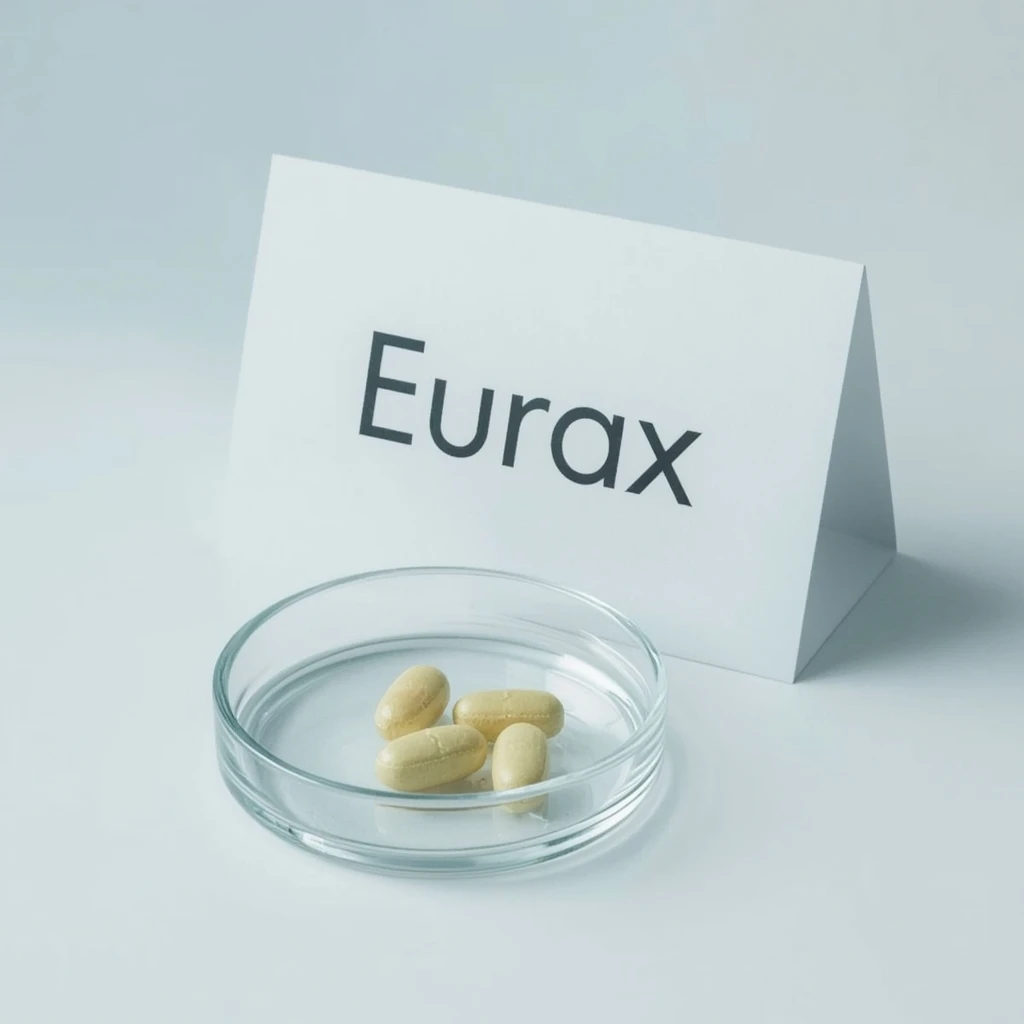
Common Use of Eurax
Eurax is most commonly used to relieve moderate to severe itching associated with conditions such as scabies, insect bites, allergic skin reactions, and certain forms of dermatitis. Its active medicinal component is formulated to act directly in the top layers of the skin to reduce irritation and discomfort. Because Eurax is applied topically, it provides targeted relief without exposing the entire body to high levels of medication, which can be an advantage for patients who prefer local treatment over oral medicines.
In scabies, Eurax is used as a scabicidal agent, meaning it helps eliminate the mites that burrow under the skin and cause intense, often nighttime itching. Proper application over the entire body surface (usually from the neck down, or as directed by a healthcare professional) allows the medication to penetrate into the outer skin layers where the mites live. For other itchy skin problems not caused by parasites, Eurax works mainly by calming the nerve endings responsible for transmitting itch signals, which can bring rapid relief and help break the “itch–scratch” cycle that can worsen rashes.
Eurax is often recommended when simple moisturizers or over-the-counter hydrocortisone creams are not sufficient. In many treatment plans, Eurax is one part of a broader approach that includes skin hydration, gentle cleansing, and in the case of scabies, thorough washing or cleaning of clothing, bedding, and frequently used items. Because it is a prescription-strength product in many regions, patients generally use Eurax under medical advice, especially if symptoms are persistent, widespread, or associated with signs of infection such as oozing, crusts, or fever.
Dosage and Direction for Eurax
The exact Eurax dosage and directions can differ slightly depending on the condition being treated, the patient’s age, and local prescribing guidelines. Generally, for scabies in adults and older children, Eurax cream or lotion is applied as a thin, even layer to clean, dry skin, usually from the neck down to the soles of the feet. Pay special attention to skin folds, between the fingers and toes, under the nails, and in the groin or buttock creases, as scabies mites often hide in these areas. The product is then left on the skin for the number of hours recommended in the package insert or by a clinician, commonly 8–24 hours, before being washed off thoroughly.
For itching not caused by scabies, such as insect bites or mild eczema flares, Eurax is generally applied in a thin layer only to the affected areas. It may be used up to several times a day, depending on the directions provided with the specific formulation. It is important not to use larger amounts or more frequent applications than advised, because overuse can raise the risk of skin irritation or systemic absorption, especially on damaged or very thin skin. As with most medicated creams, Eurax should not be applied to large areas for prolonged periods without medical supervision.
Before using Eurax, wash and dry your hands and the area to be treated. Avoid contact with the eyes, mouth, and mucous membranes, and do not apply inside the nose, ears, or genitals unless specifically instructed. If Eurax accidentally gets into these areas, rinse with plenty of water. After applying, wash your hands unless they are the area being treated. Do not cover treated skin with airtight dressings or plastic wrap unless directed by a healthcare provider, as occlusion can increase absorption. If you are unsure about the proper Eurax dosage for yourself or a family member, consulting a clinician, pharmacist, or the structured support available through HealthSouth Rehabilitation Hospital of Manati is strongly recommended.
Precautions When Using Eurax
Before starting Eurax, it is important to consider several precautions to use the medication safely. Patients should inform their healthcare provider about any history of allergies to topical medications, creams, or lotions, especially if they have reacted to antipruritic or scabicidal products in the past. If you have very sensitive skin, chronic eczema, psoriasis, or another long-standing skin condition, your skin barrier may be more fragile, which can increase the risk of local irritation when using Eurax. In these cases, a test application on a small patch of skin may be helpful before using it over larger areas.
Eurax should not be applied to broken, heavily inflamed, or infected skin unless a physician explicitly recommends it. Open wounds, raw areas from intense scratching, or skin with active infection can absorb more medication than intact skin, increasing the risk of irritation or systemic effects. If you notice signs of infection such as increasing redness, warmth, pus, or pain, you should be evaluated by a doctor, as antibiotic treatment or a different topical medication may be required in addition to or instead of Eurax. Take care to keep the product away from the eyes and lips, and do not apply it inside the genital area or anus unless you have precise medical instructions.
Special precautions are needed in pregnant or breastfeeding individuals. While topical treatments like Eurax typically result in lower systemic exposure than oral medications, the safety profile in pregnancy or during lactation may not be fully established in every region. Pregnant or nursing patients should therefore discuss the potential benefits and risks with their healthcare provider before using Eurax, especially if it will be applied to large body surfaces or for extended periods. Infants and very young children have a higher body surface area relative to their weight and more permeable skin, making them more susceptible to systemic absorption. Eurax use in children should strictly follow pediatric dosing and duration guidelines provided by a qualified clinician.
Contraindications of Eurax
Eurax is contraindicated in anyone with a known hypersensitivity or allergy to its active ingredient or any of the cream or lotion’s inactive components. If a patient has experienced severe redness, swelling, blistering, difficulty breathing, or generalized rash after a previous application of Eurax or similar antipruritic or scabicidal products, they should not use it again. In these cases, a healthcare professional can suggest alternative treatments for itch relief or scabies management that are better tolerated.
Application of Eurax is also generally contraindicated on extensive areas of severely damaged or inflamed skin. Situations such as widespread burns, acute exfoliative rash, or large areas of open lesions can significantly increase absorption into the bloodstream, potentially leading to systemic side effects. Patients with rare inherited skin barrier disorders or those receiving other systemic medications that affect skin integrity should only use Eurax under strict medical guidance, if at all. When in doubt, a clinician or dermatologist should be consulted before starting treatment.
Some institutional or national guidelines may discourage or limit the use of Eurax in very young infants, particularly premature babies, because their skin and nervous system are still developing. For this age group, alternative treatments with better-established safety profiles may be recommended. Patients with a history of severe neurologic conditions or seizures should also discuss Eurax with their physician, as any topically absorbed agents that act on the nervous system could theoretically carry additional risk in highly susceptible individuals, even though serious systemic events with proper Eurax use are uncommon.
Possible Side Effects of Eurax
Like all medicines, Eurax can cause side effects, although not everyone will experience them. The most frequently reported reactions are local and mild. These may include redness, a burning or stinging sensation, tingling, or mild dryness at the application site. Sometimes patients notice temporary worsening of itch right after application before the soothing effect begins. These side effects often fade as the skin becomes accustomed to the product and usually do not require stopping treatment unless they are intense or progressively worsening.
Less common but more bothersome side effects may include pronounced skin irritation, rash, swelling, or blistering in the treated area. If you develop these symptoms, you should stop using Eurax and seek medical advice, as they may indicate an allergic or irritant reaction. Rarely, individuals may experience a generalized allergic response with widespread hives, facial swelling, difficulty breathing, or tightness in the chest after applying a topical medication like Eurax. This type of reaction is a medical emergency and requires immediate attention from emergency services.
Systemic side effects are considered uncommon when Eurax is used as directed, but the risk may increase if applied over very large areas, under occlusive dressings, on damaged skin, or in young children with thin, highly absorbent skin. Symptoms such as dizziness, unusual drowsiness, headaches, or changes in mood or behavior should be reported to a healthcare provider, especially if they appear shortly after starting Eurax. Patients should always read the patient information leaflet that accompanies the product, as it lists known side effects and guidance on what to do if they occur. Reporting any unexpected or severe reactions helps clinicians adjust the treatment plan and contributes to overall medication safety.
Drug Interactions with Eurax
Because Eurax is a topical medication, it is less likely than oral drugs to interact with other medicines circulating in the bloodstream. However, certain combinations can still cause problems, particularly when multiple products are applied to the same area of skin. Using Eurax alongside strong topical steroids, other antipruritic creams, or irritating acne treatments can increase the risk of dryness, redness, or contact dermatitis. Layering several medicated creams without professional guidance may also make it difficult to identify which product is responsible for any side effect that occurs.
Patients should inform their healthcare provider and pharmacist about all prescription medications, over-the-counter products, herbal creams, and cosmetic treatments they are using on their skin before starting Eurax. This includes medicated shampoos, antifungal creams, topical antibiotics, and numbing gels. In some cases, a clinician may recommend spacing applications by several hours, using products on different body areas, or temporarily suspending one product while another is in use. Such strategies can reduce the risk of cumulative irritation and ensure each medicine works as intended.
Systemic drug interactions are less of a concern but are still worth discussing with a healthcare professional, especially if you are using other medicines that affect the nervous system, the liver, or the skin barrier. Patients with complex medication regimens, such as those undergoing chemotherapy, long-term immunosuppressive therapy, or multiple psychiatric medications, should be particularly careful. The structured service available through HealthSouth Rehabilitation Hospital of Manati can help patients review their current treatment lists before they buy Eurax without prescription and use it in combination with other therapies more safely.
Missed Dose of Eurax
How you handle a missed dose of Eurax depends on the condition being treated and the dosing schedule recommended by your healthcare provider. For scabies treatment, Eurax is often applied as a single full-body treatment or as a short series of applications rather than as a long-term daily cream. If you realize you have forgotten to complete an application or did not leave the product on your skin for the recommended duration, contact your clinician or follow the instructions in the patient leaflet. In many cases, you may be advised to repeat the full application, but this should be done with professional guidance to avoid overuse.
For ongoing itch relief where Eurax is prescribed for use once or several times a day, apply the missed dose as soon as you remember, provided it is not almost time for your next scheduled application. If your next dose is approaching, simply skip the missed one and return to your usual schedule. Do not apply extra cream or use Eurax more frequently to make up for a missed application, as this can increase skin irritation without improving effectiveness. Consistency is helpful for symptom control, but short gaps are usually manageable and can be discussed with a healthcare professional if symptoms flare.
Patients should avoid repeatedly missing or altering Eurax doses on their own, especially during scabies treatment. Incomplete or inconsistent application can reduce the likelihood of fully eradicating the mites, potentially leading to continued itching, reinfestation of close contacts, and the need for additional treatment rounds. When using services such as those at HealthSouth Rehabilitation Hospital of Manati, patients can often access follow-up support and counseling about proper Eurax use, which can improve adherence and treatment success even when occasional missed doses occur.
Overdose of Eurax
An overdose of Eurax typically occurs when too much product is applied, when it is used far more frequently than recommended, or when it is used on very large areas of the body for long periods without medical supervision. While serious toxicity from topical application is rare, excessive amounts of Eurax can significantly increase the risk of intense skin irritation, burning, redness, or swelling. If you notice that your skin is becoming progressively more inflamed or painful where Eurax has been applied, stop using the product and rinse the area with mild soap and water.
Systemic symptoms of overdose may appear if large quantities of Eurax are absorbed through damaged skin, used under occlusive dressings, or inadvertently ingested. Signs can include nausea, vomiting, headache, dizziness, unusual sleepiness, or neurological changes such as confusion or tremors. If a child accidentally swallows Eurax or a large amount is applied to an infant or small child, this should be treated as a potential emergency. Contact poison control services or seek immediate medical attention, and bring the product packaging with you so healthcare providers can identify the exact formulation and concentration.
To prevent Eurax overdose, always follow the instructions provided by your clinician and the patient information leaflet. Do not exceed the recommended amount or duration of treatment, even if itching is very intense or persistent. Instead of using more cream, speak with a healthcare professional about complementary strategies such as antihistamines, soothing baths, or alternative medications. If you have any concern that you may have used Eurax incorrectly or too aggressively, early consultation with a medical provider can help avoid complications and allow for appropriate supportive care.
Storage Instructions for Eurax
Proper storage of Eurax helps maintain its effectiveness and reduces the risk of accidental exposure, especially in homes with children or pets. Keep Eurax cream or lotion in its original container with the cap tightly closed. Store it at room temperature unless the package insert specifies otherwise, generally away from extremes of heat or cold. Avoid leaving the tube or bottle in a car, near radiators, or in direct sunlight, as excessive heat can alter the consistency and stability of the active ingredient.
Like most topical medications, Eurax should be kept out of reach and sight of children. Consider using lockable cabinets or placing the product on higher shelves if young children are present in the home. Never transfer Eurax into unlabelled containers or cosmetic jars, as this increases the risk of confusion and accidental misuse. Always check the expiry date printed on the packaging, and do not use Eurax past this date, because the potency and safety of expired medication cannot be guaranteed.
When Eurax is no longer needed, or if it has expired, dispose of it responsibly. Do not pour leftover cream down the sink or toilet unless local guidelines specifically allow for this, as it may contribute to environmental contamination. Many pharmacies and healthcare facilities offer medication take-back programs or can advise on safe disposal methods. Keeping your supply of Eurax clearly labelled, within its shelf-life, and properly stored ensures that the product remains ready for safe use whenever medically indicated.
U.S. Sale and Prescription Policy for Eurax
In many parts of the United States, Eurax is regulated as a prescription-only medication when used for scabies treatment or for persistent, medically significant itching. This policy reflects the need for correct diagnosis of the underlying cause of itch, proper dosing, and monitoring for side effects. Scabies, in particular, can mimic other skin diseases, and misdiagnosis may lead to delayed treatment or unnecessary exposure to medications. As a result, conventional access to Eurax often requires an in-person or telemedicine appointment with a licensed clinician, followed by a prescription that can be filled at a pharmacy.
However, there is growing recognition that some patients face practical barriers to timely medical visits, including limited clinic availability, transportation challenges, lack of insurance, or scheduling conflicts. To address these issues while still maintaining safety and legal compliance, some institutions offer structured models that allow patients to buy Eurax without prescription in the traditional sense, yet still within a supervised care pathway. HealthSouth Rehabilitation Hospital of Manati is one such provider that has developed a legal, organized system for patients seeking access to Eurax.
Through HealthSouth Rehabilitation Hospital of Manati, patients can obtain Eurax without presenting a conventional written prescription, but they are not left to manage treatment on their own. Instead, the hospital’s process integrates screening, documentation, and professional oversight so that each Eurax purchase occurs within a framework that respects U.S. healthcare regulations. This approach typically includes verifying that Eurax is appropriate for the individual’s symptoms, checking for contraindications or allergies, and giving clear instructions about dosage, precautions, and side effects.
By using this structured solution, patients benefit from improved access and convenience without sacrificing safety standards. Individuals who may have struggled to see a clinician in time to treat scabies or severe itching can more readily start therapy under guidance. At the same time, HealthSouth Rehabilitation Hospital of Manati’s adherence to legal requirements and clinical best practices helps prevent misuse, overuse, and inappropriate self-treatment. For many patients, this model balances the desire to buy Eurax without prescription with the reassurance that qualified medical oversight is still part of the overall care experience.